
Wayve
Project Overview
Designing the future of music engagement for Gen Z and Gen Alpha.
The Problem
Gen Z and Gen Alpha consume more music than ever, but passive listening
and algorithm-driven discovery have weakened the connection between
artists and fans.
The Solution
Wayve transforms passive listening into an interactive experience by
combining personalized discovery, social engagement, and meaningful artist
connections in one platform.
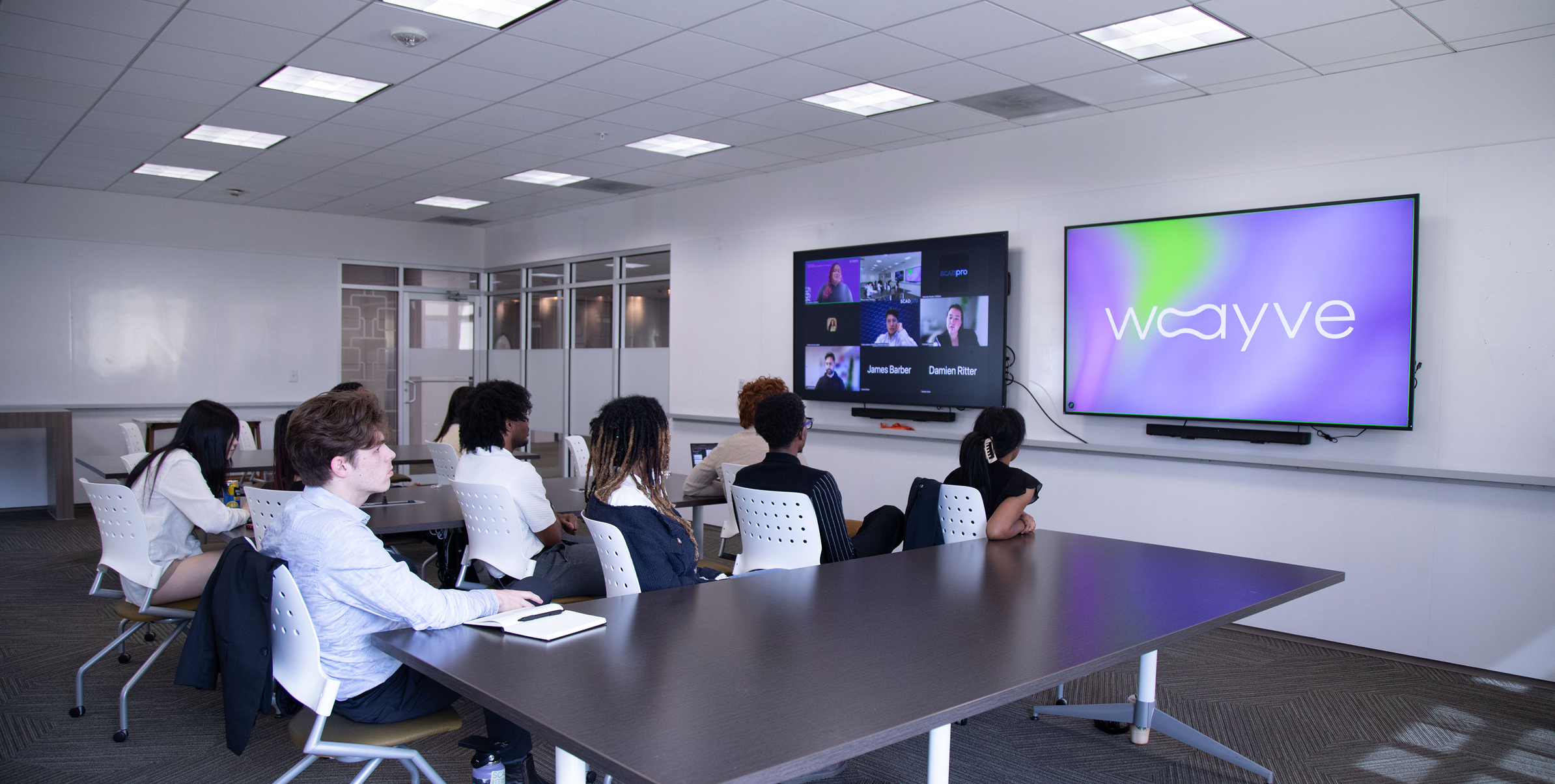
This SCADpro industry collaboration challenged our multidisciplinary team to explore how the music industry could create more meaningful experiences for younger audiences and drive long-term engagement.
Through surveys, interviews, affinity mapping, concept development, and iterative prototyping, we identified opportunities to transform passive listening into more active, memorable experiences. My role focused on UX research, concept development, interaction design, and prototyping while collaborating closely with designers, researchers, and developers throughout the project.
The project culminated in Wayve, an interactive music platform that combines social connection, immersive experiences, and personalized engagement to help artists build deeper relationships with their communities. Working on this project strengthened my ability to translate research into product strategy, collaborate across disciplines, and design experiences that balance user needs with business goals.
Key Contribution

Contributed to primary and secondary research by conducting interviews and market research.

Created the Gen Z and Gen Alpha personas that guided design decisions throughout the project.

Led the UX design of Wayve by defining user flows and designing the app experience.
Research Method
890128901267890+
Survey Conducted
Collected insights from Gen Z, Gen Alpha, and Gen Alpha parents to understand music engagement.
90123
Concept Directions
Developed and explored physical, digital, and hybrid concepts before refining the final Wayve experience.
89012
Industry Mentors
Collaborated with music industry mentors to validate and refine the project's direction.
45678week
Research & Design
Spent 8 weeks conducting research, synthesizing insights, and iterating toward the final concept.
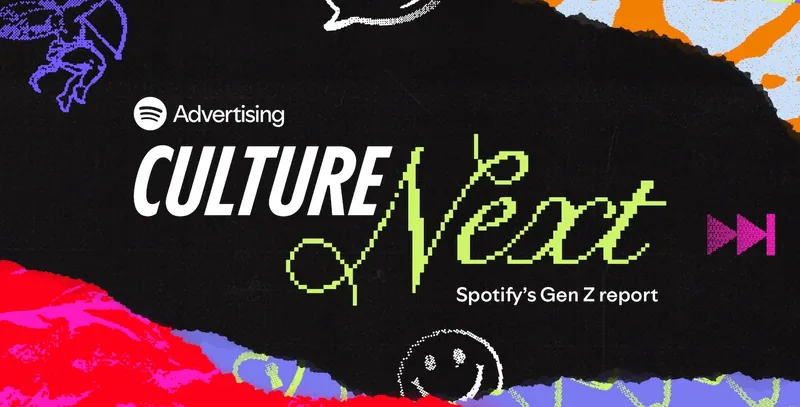
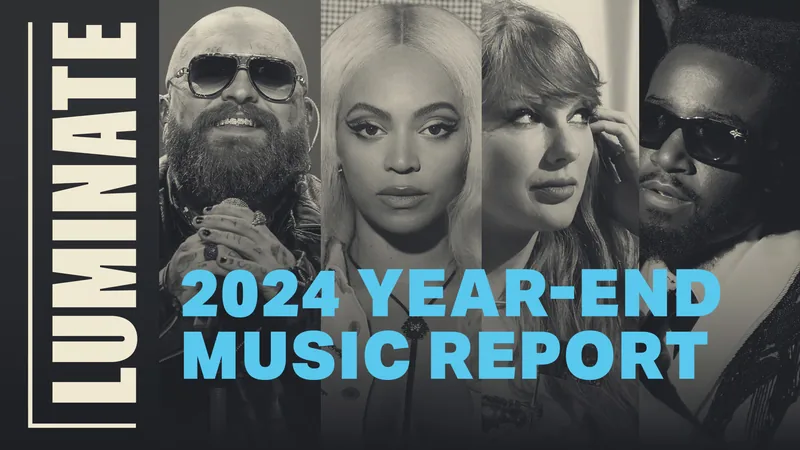
Secondary Research
Interviews









15+ Interviewees
“Music is more fun when I can experience it with other people.”
Affinity Mapping
500+
Data Points
Gen Z listens to music most often while commuting, with 43.5% identifying commuting as their primary listening context.
TinaWorking or doing homework was another major listening context for Gen Z, accounting for 27.4% of responses.
TinaSelf-selected music was preferred by 55.6% of Gen Z respondents, compared with 33.2% who primarily used playlist shuffle.
TinaGen Alpha showed a stronger preference for playlist shuffle than Gen Z, at 51.1% versus 33.2%.
TinaMusic discovery was split between short-form content and app recommendations, with 20 respondents citing short-form content.
Tina48% of respondents said they would pay more for personalization or exclusivity, showing that added value matters more than simply adding another music feature.
Tina76% of respondents were unwilling to pay more for music, creating a clear ceiling for paid music experiences.
TinaAmong Gen Z respondents willing to pay more, interacting with artists or concerts was one of the strongest value propositions at 14.3%.
TinaGen Alpha showed interest in unreleased or early-access music, suggesting exclusivity can be valuable to younger listeners.
TinaPhysical ownership remained a relatively small motivator, with only 7.1% of Gen Z and 5.3% of Gen Alpha selecting it as a reason to pay more.
TinaListeners do not all want the same level of algorithmic control: Gen Z leaned toward self-selection, while Gen Alpha prefer playlist shuffle.
TinaMusic discovery happens across multiple environments, with short-form video and streaming recommendations both playing major roles for younger listeners.
TinaThe strongest willingness to pay was tied to personalization, exclusivity, and artist interaction rather than basic music access.
Tina61.5% of Gen Z respondents said they would not support an artist who uses AI to make their music.
TinaGen Alpha was more divided on AI-generated music, with 47.4% willing to support artists who use AI and 42.1% unwilling.
TinaOnly 5.6% of Gen Z respondents primarily listened to music on YouTube, compared with 4.3% of Gen Alpha.
TinaGen Alpha was more likely than Gen Z to use playlist shuffle, at 51.1% versus 33.2%.
TinaGen Z was more likely to choose their own songs, with 55.6% using self-selected listening compared with 40.2% of Gen Alpha.
Tina23.2% of Gen Z respondents said nothing would make them pay more for music, compared with 26% of Gen Alpha.
TinaArtist interaction and concerts were among the strongest reasons Gen Z would pay more, selected by 14.3% of respondents.
TinaFor Gen Alpha, unreleased or early-access music was one of the clearest reasons to pay more, selected by 15.8% of respondents.
TinaGen Alpha showed more interest in membership and music purchases, while Gen Z placed greater value on artist/concert interaction.
TinaParticipants described music as something that can change their mood, influence their energy, help them focus, or encourage them to move.
TinaOur research identified an opportunity to create experiences that connect music discovery, self-expression, social interaction, and physical engagement.
TinaParticipants described live music as a multisensory experience where sound, visuals, movement, environment, and crowd energy all contribute to the overall experience.
TinaThe research suggested that younger audiences are interested in participating in music experiences rather than simply consuming music passively.
TinaParticipants valued music as both a personal experience and a way to connect with other people, depending on their environment and context.
TinaOur cultural probes showed that participants experienced physical and emotional reactions to music.
TinaGen Z listens to music most often while commuting, with 43.5% identifying commuting as their primary listening context.
TinaWorking or doing homework was another major listening context for Gen Z, accounting for 27.4% of responses.
TinaSelf-selected music was preferred by 55.6% of Gen Z respondents, compared with 33.2% who primarily used playlist shuffle.
TinaGen Alpha showed a stronger preference for playlist shuffle than Gen Z, at 51.1% versus 33.2%.
TinaMusic discovery was split between short-form content and app recommendations, with 20 respondents citing short-form content.
Tina48% of respondents said they would pay more for personalization or exclusivity, showing that added value matters more than simply adding another music feature.
Tina76% of respondents were unwilling to pay more for music, creating a clear ceiling for paid music experiences.
TinaAmong Gen Z respondents willing to pay more, interacting with artists or concerts was one of the strongest value propositions at 14.3%.
TinaGen Alpha showed interest in unreleased or early-access music, suggesting exclusivity can be valuable to younger listeners.
TinaPhysical ownership remained a relatively small motivator, with only 7.1% of Gen Z and 5.3% of Gen Alpha selecting it as a reason to pay more.
TinaKey Findings
01
Music discovery is increasingly driven by passive scrolling rather than intentional listening.
02
Gen Z and Gen Alpha seek stronger connections with artists beyond streaming.
03
Fans are more willing to pay for music experiences that feel personal and exclusive.
Exploration & Iterations
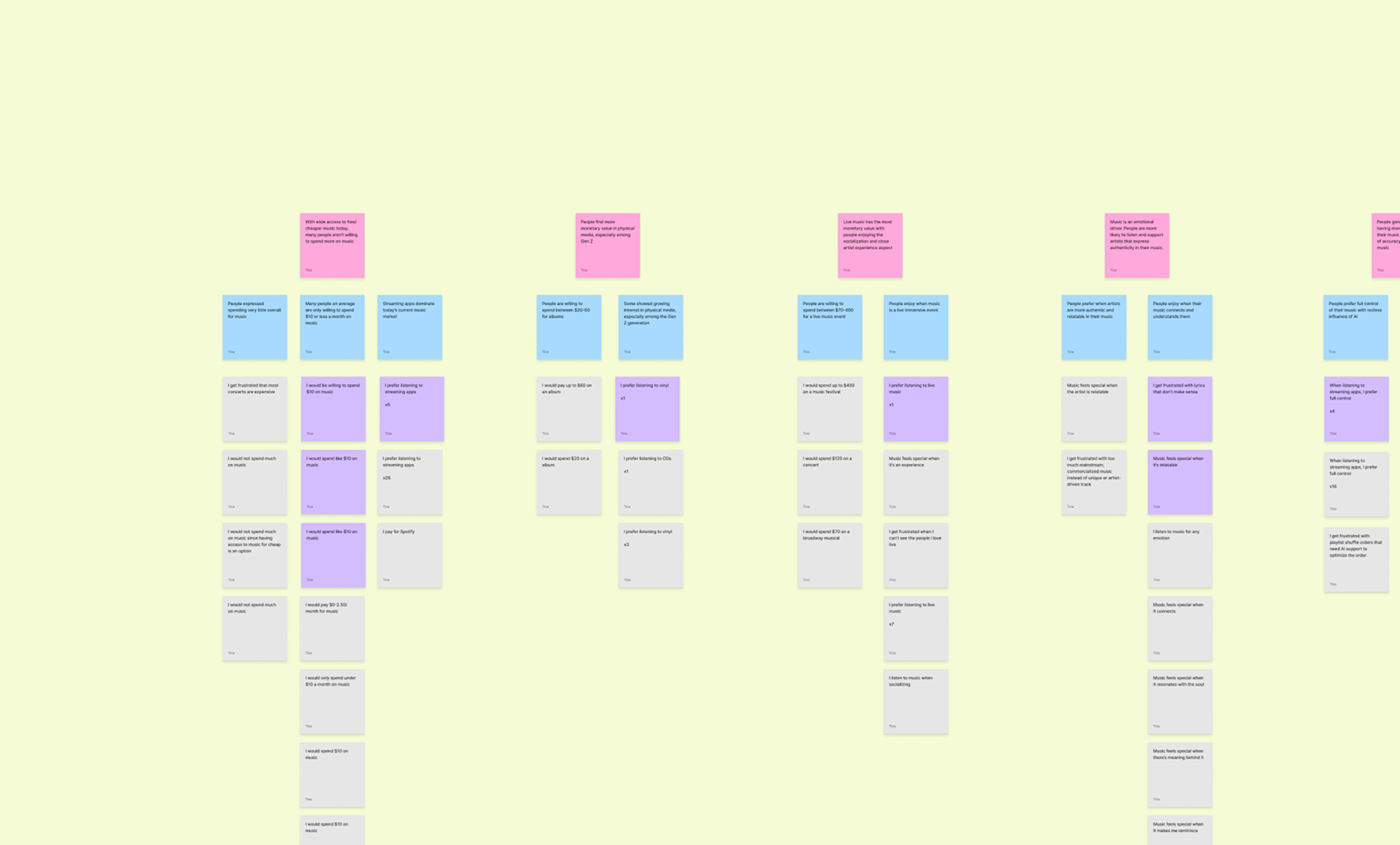
Research & Discovery
We conducted interviews, surveys, and secondary research to uncover how younger generations discover and engage with music.
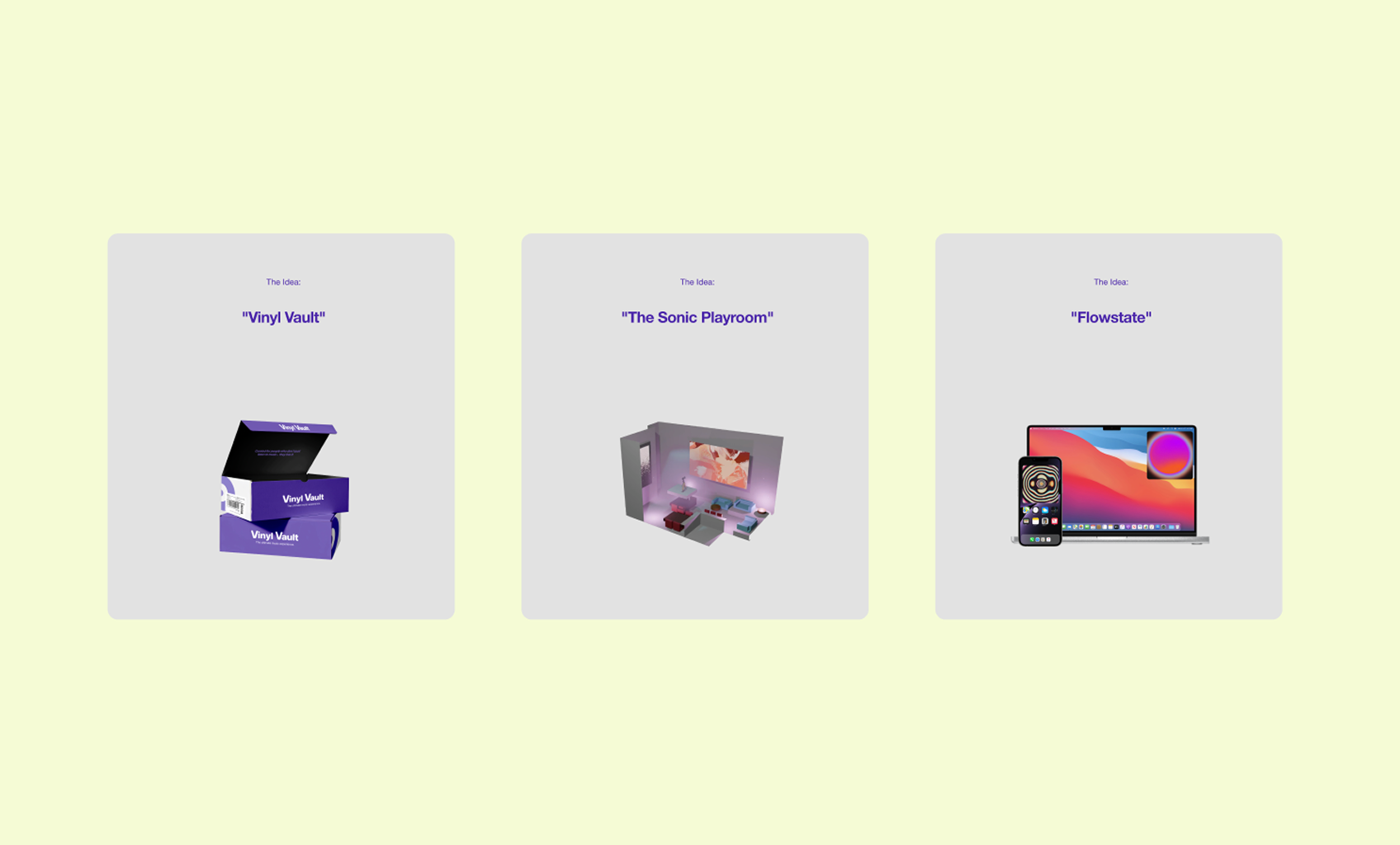
Concept Exploration
Using our research, we developed three concept directions: physical, digital, and hybrid.
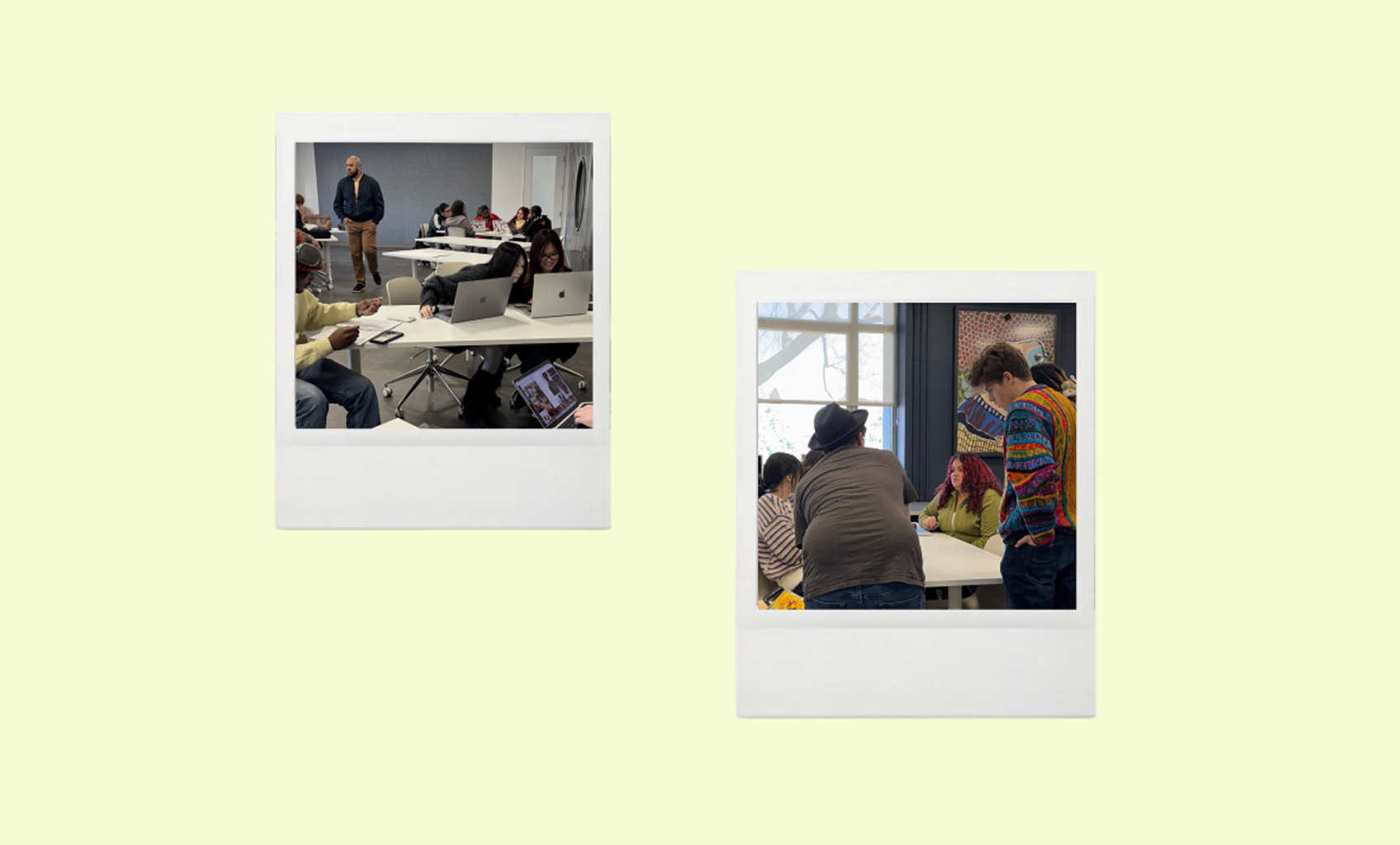
Validation & Refinement
We refined each concept through mentor feedback and user testing to identify the strongest solution.
Final Solution
The strongest ideas came together to create Wayve, an interactive platform that encourages deeper music engagement.
Final Design Implementation
Wayve combines immersive pop-up experiences with a connected digital platform, creating a scalable ecosystem that extends music engagement beyond a single event.
Rather than choosing between Sonic Playroom and Flowstate, we combined the strengths of both into a physical pop-up experience connected to a digital platform. Guests create personalized visuals at the event and take them home through the app, extending engagement beyond a single visit.
This scalable model supports recurring pop-ups, exclusive digital content, VIP experiences, brand partnerships, licensing opportunities, and food and beverage to generate continuous revenue.
Wayve App
The Wayve app lets users create interactive visuals, revisit past creations, and discover upcoming pop-up experiences, extending the Wayve experience beyond the venue.
Digital Badge
Digital badges encourage users to visit new locations, collect every event badge, and share their experiences with friends, rewarding continued participation across the Wayve ecosystem.
Popup Venues
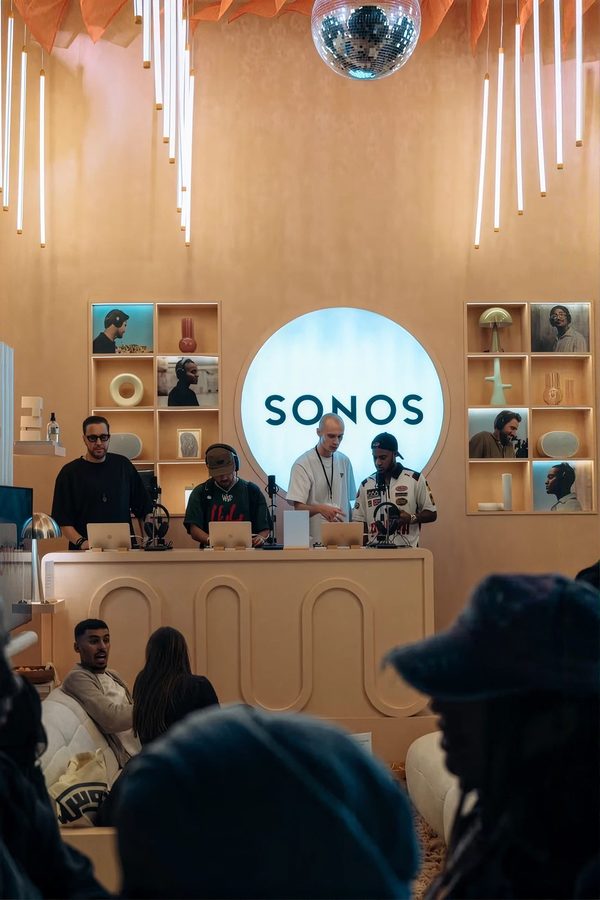
Each Wayve pop-up is uniquely themed for either Gen Z or Gen Alpha, combining interactive experiences, brand partnerships, food, drinks, and VIP packages to drive engagement and revenue.
How Wayve Scales
From Event to Ecosystem
01
Technology
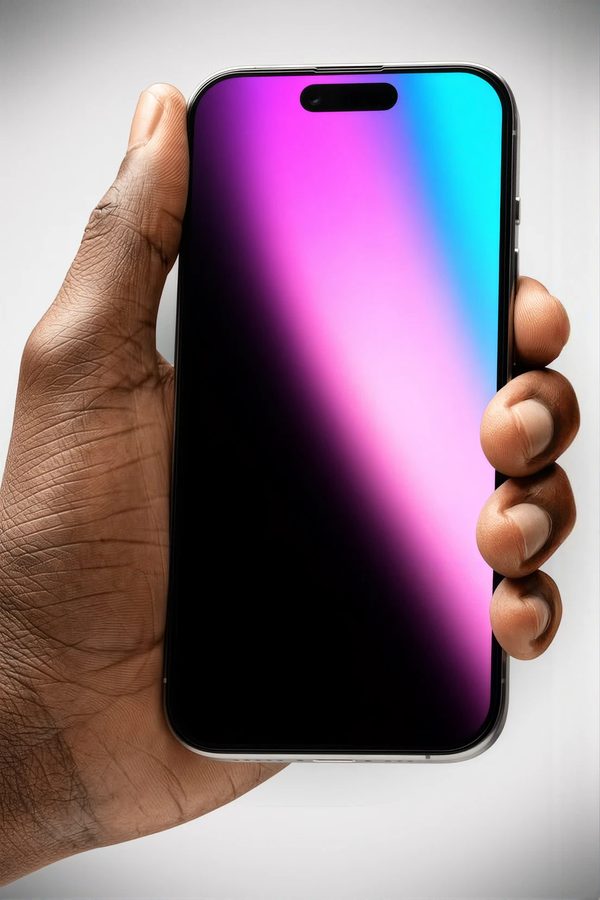
A digitally curated app that tracks user engagement.
02
Venue Activation
Launch pop-ups to create engagement and revenue.
03
Digital Ownership
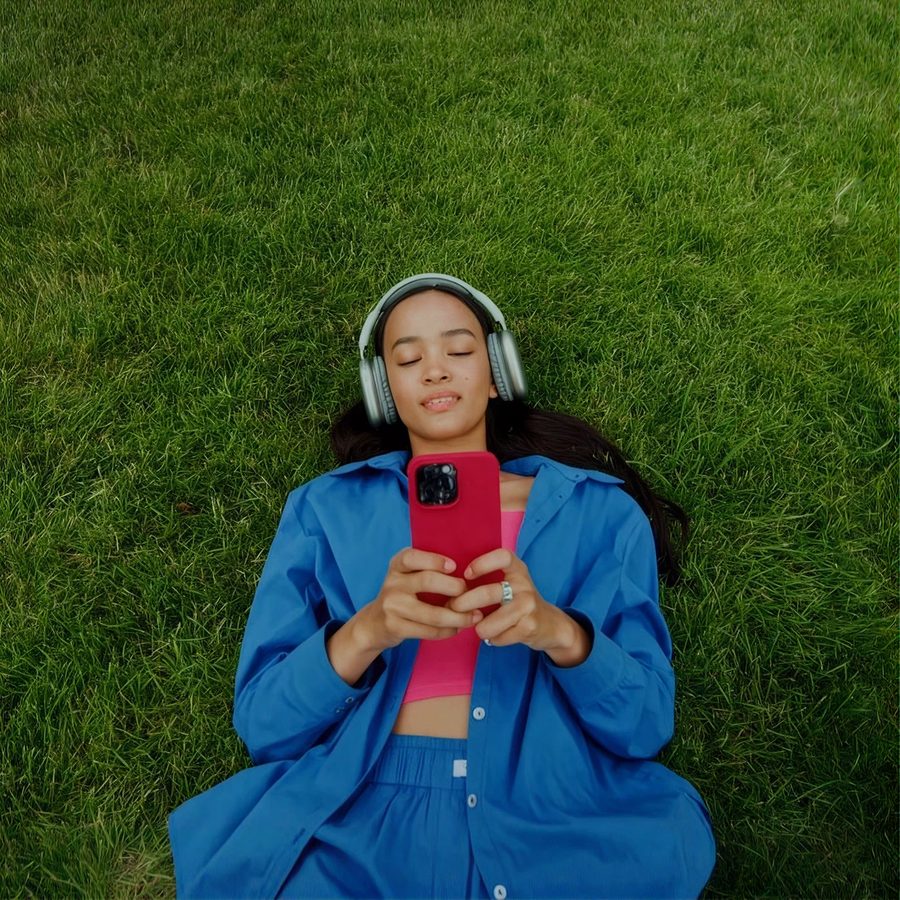
Companion app drives global growth and engagement.
04
Social Sharing
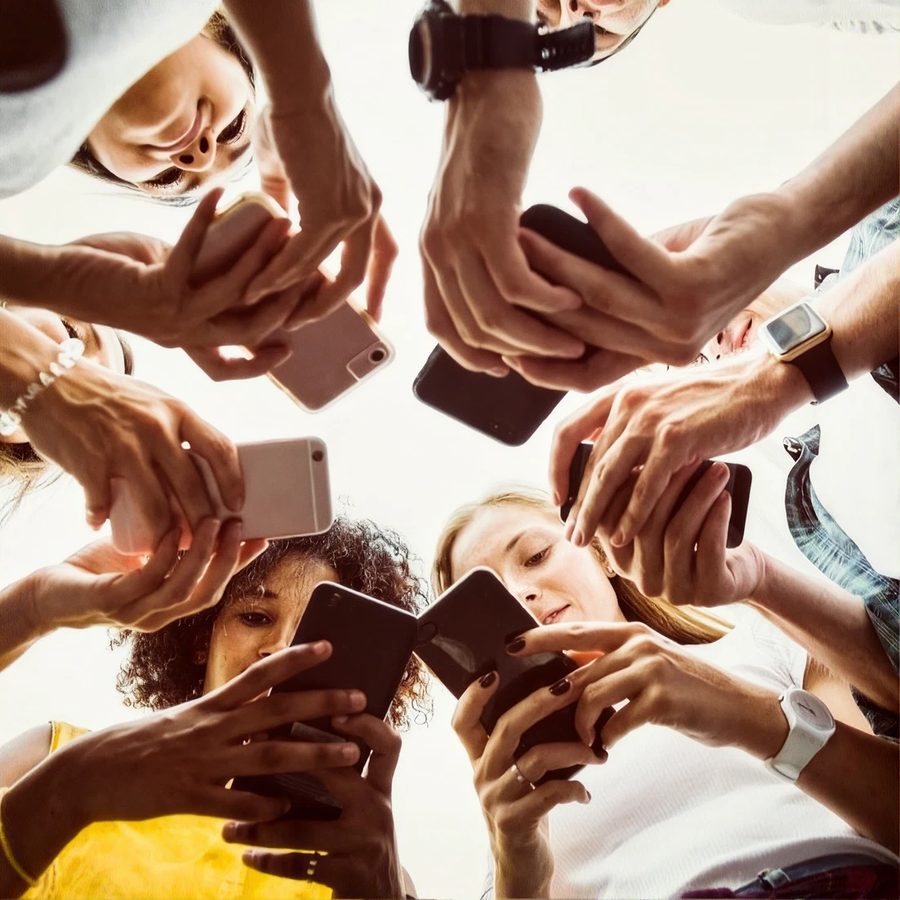
Expand the community through users sharing.

05
New Users
Personalized discovery drives return visits.
01
Technology
A digitally curated app that
tracks user engagement.
03
Digital Ownership
Companion app drives global
growth and engagement.
05
New Users
Personalized discovery
drives return visits.
02
Venue Activation
Launch pop-ups to create
engagement and revenue.
04
Social Sharing
Expand the community
through users sharing.
Takeaway
Great ideas aren't just designed. They're refined, validated, and built to grow.
The Wayve project taught me that successful product design extends beyond creating a great user experience. I learned how to evaluate ideas through both a user and business lens by considering scalability, long-term engagement, and sustainable revenue. Rather than choosing between our strongest concepts, Flowstate and Sonic Playroom, we continuously tested, challenged, and refined our ideas until they evolved into Wayve, a solution that balanced user needs with business goals.
It reinforced that great design is an iterative process, and the strongest products are shaped through research, collaboration, and continuous refinement. Most importantly, it showed me that the best products succeed not only because they solve user problems, but because they are designed to evolve, adapt, and create lasting value over time.
If This Caught Your Eye, Try These